“Revenge is profitable, gratitude is expensive.”
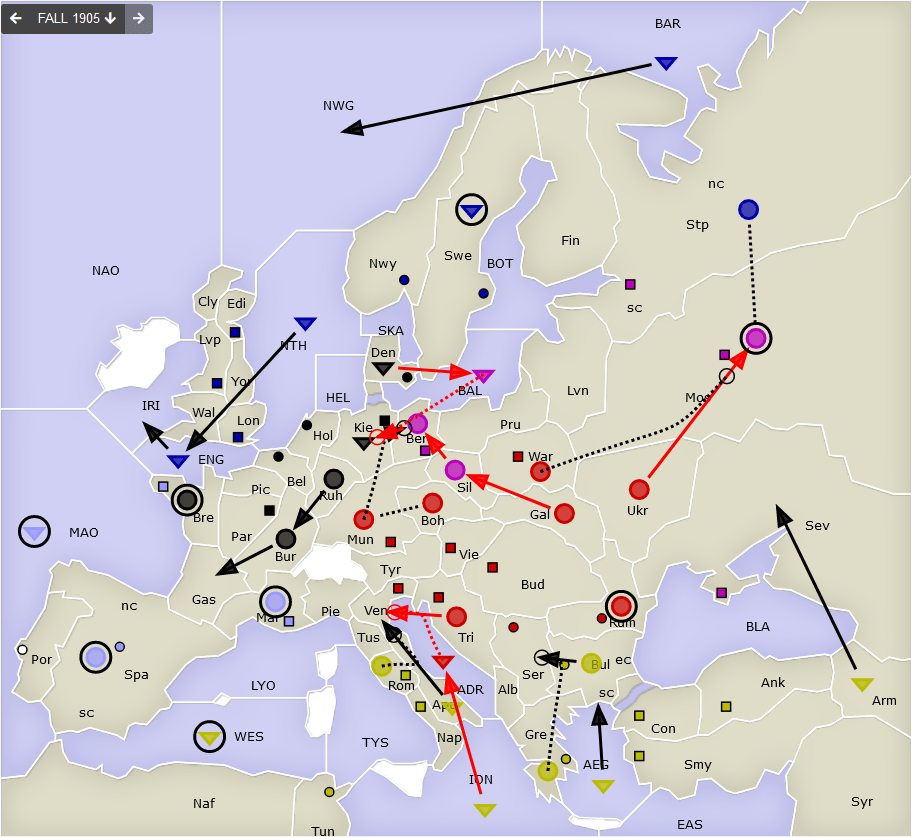
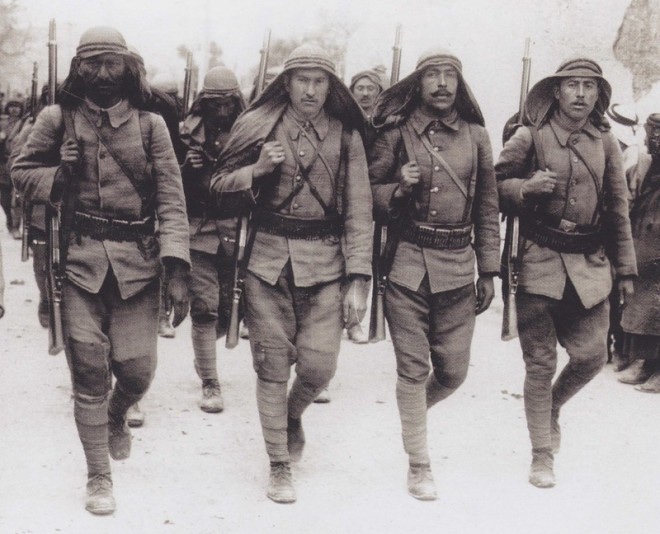
There is little doubt now that the Ottoman Empire is the ascendant power in Europe. Operations across multiple fronts have allowed the Ottomans to seize three key regions in a matter of months. Sensing the end for their former allies, an Ottoman fleet was spotted previously skulking around the Black Sea, leaving its port in Ankara and slowly making its way to Sevastopol. Further west, an overwhelming Ottoman force took the undefended Serbia, cutting deep into occupied Austrian territory. And finally, combined land and sea forces engaged the Austrian fleet in the Adriatic while a secondary fleet took Venice. This correspondent now wonders if there are any forces left to contain the Ottoman objective of total domination.
Austria’s complacency on its southern front has been costly. The failure to hold Venice and Serbia will undo much of the work accomplished in 1904, robbing them of key supplies needed to maintain their extensive armies. With most of their forces committed to the war against Russia, it seems doubtful that the rearguard in Trieste and Rumania will be sufficient contain further Ottoman incursions. An attempt to take Moscow and finally depose Russia failed, although in supporting Germany’s retaking of Berlin the Kaiser has managed to be one step closer to his ambition of Russian obliteration. The coming months will reveal if this vaunting ambition will be his undoing however, as the soft Austrian underbelly is now exposed to the Ottoman blade.
With the loss of Berlin and Sevastopol, Russia now only has the means to support a single force. This army now prepares itself to defend the newly anointed capital of Moscow. The Tsar’s end would have been even sooner had not been for the support of the English army stationed in St Petersburg, perhaps wise to the threat of an all-conquering Austria. With little resources to marshal, it seems unlikely that Russia will have much to say in the conflicts to come.
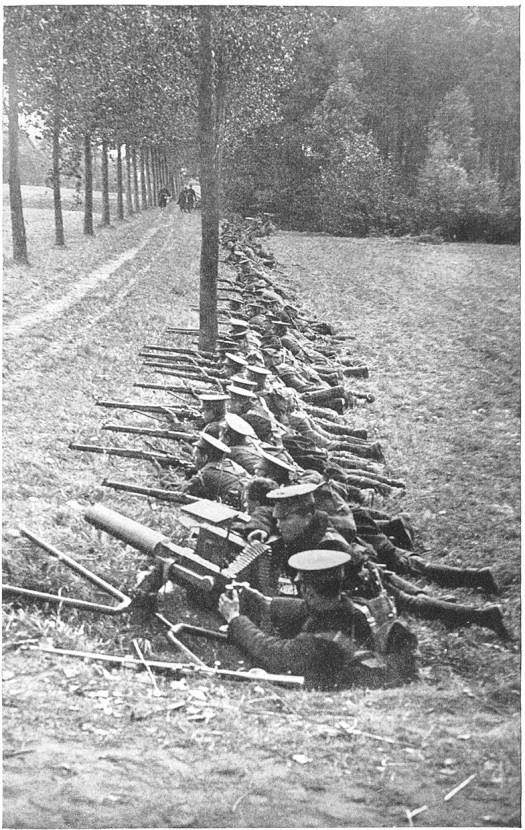
England continues the slow re-positioning of its forces following the extensive campaign to take St Petersburg. Asked to comment on the bizarre decision for the British expeditionary force to aid in the defence of their recent enemies, the office of General Lyttelton remarked that they had no official comment.This correspondent does note however, that the General’s liquor cabinet did seem substantially emptier than during previous visits.
Germany has once again reclaimed its title as the dominant military force in Western Europe. The combined Austro-German force that retook Berlin is a hugely symbolic move, in both the reconquest of a key German state and the co-operation of two previously bitter opponents. With Austria’s recent losses and German occupation of Northern France, the Kaiser now has sufficient matériel to rebuild its battered forces and rebuff any further conquest into their homeland. With their North Sea territories now safe, several divisions have headed south, presumably to take advantage of France’s apparent paralysis.
France continues to be rocked by riots and civil disobedience. It is understood that all military forces have now been requisitioned to enact martial law and quell any popular uprisings within surviving French territory.
 Diplomatical!